
Recent Posts

November 4, 2026

For Canadian players, comparing roulette platforms is not only about the number of tables or the size of a game catalogue. Clear menus, readable table information and a predictable route from lobby to account tools can make a meaningful difference to the browsing experience. The same practical questions apply when assessing lussurio casino online: can a visitor locate roulette quickly, distinguish live tables from digital games and understand which account conditions may affect play? A careful usability check helps separate convenient navigation from impressive-looking but confusing presentation.
Start with the route from the lobby to roulette
A useful roulette site should make the first step obvious. From the main lobby, look for a dedicated casino menu, a search field or a category panel containing roulette. A platform with thousands of games may offer more choice, but a large catalogue is only useful if the filtering system prevents roulette titles from being buried among slots, crash games and instant-win products.
Category labels should also be specific enough to support comparison. “Roulette” may contain digital games, live-dealer tables and variants with different layouts or rules. Separate labels such as live casino, table games and roulette can reduce unnecessary scrolling. Provider filters are helpful when several studios supply similar tables, although they should complement rather than replace a clear game category.
Before choosing a table, check whether the lobby shows practical information without requiring several additional clicks. Useful details may include the game format, minimum and maximum stakes, live or automated presentation and whether the title opens in a mobile browser. If those details appear only after launch, opening several games may be necessary before a sensible comparison is possible.
How can table pages make decisions easier?
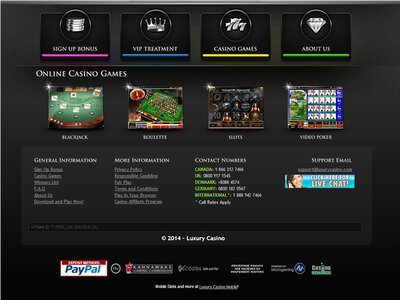
The table screen should answer basic questions without forcing players to guess. A roulette interface normally needs clearly marked betting areas, visible chip values, a readable balance display and an obvious way to confirm or clear selections. On a live table, the dealer feed, betting countdown and result history should remain distinguishable from promotional banners or decorative graphics.
Rules and paytable information deserve equal attention. A short information panel can explain the wheel type, available bets and payouts, while a help button can provide fuller details. This is particularly important when a site presents several roulette formats together. Familiar terminology is preferable to unexplained labels, and the rules should be available before a player commits funds or enters a table.
Good usability also includes recovery from mistakes. A player should be able to remove an individual chip, clear the complete bet and recognize when betting has closed. Buttons need to be large enough for touch controls, especially on a phone. If the interface is crowded, slow to respond or difficult to read at normal screen size, a technically extensive roulette selection may still be inconvenient in practice.
Separate live tables from automated roulette
Live and automated roulette offer different browsing experiences, so they should not be treated as interchangeable listings. Live tables usually involve a streamed dealer, a scheduled or continuous game flow and table limits that may change according to availability. Automated games generally open more quickly and may provide a simpler interface, but they do not offer the same dealer-led presentation.
Navigation becomes clearer when these formats have separate headings or filters. A visitor looking for a live dealer should not need to open every roulette title to identify the correct format. Studio names can help with recognition, but the format itself should remain visible. A thumbnail showing a dealer is useful, though text labels are more dependable for accessibility and fast scanning.
Players should also compare the information shown beside each format. Live tables may display minimum stakes, maximum stakes, language or studio details, while automated games may show only a title and image. None of these labels proves that a particular table is suitable or available at all times. They are simply navigation aids, and the final table screen should be checked for current conditions.
Check mobile navigation before relying on it
Many Canadian users browse casino sites on smartphones or tablets, making responsive design an important part of roulette usability. A mobile page should preserve the main route to roulette rather than hiding essential categories behind several layers of menus. Search, filters, account access and help information should remain easy to locate without repeated zooming or sideways scrolling.
Touch controls require particular care. Roulette betting areas can become cramped on a small screen, and a player may accidentally select a neighbouring number or miss the clear-bets control. Before treating a mobile layout as convenient, inspect whether the wheel, chip selector, timer and confirmation indicators remain visible together. A browser-based mobile site should not automatically be described as a downloadable application.
Connection quality can also affect the experience. Live video may require more bandwidth than an automated table, while interruptions can make a table page appear frozen even when the account remains active. It is sensible to review the platform’s help and account controls before playing. For wider information about gambling-related risks and support, readers can consult CAMH information on problem gambling.
Use account tools as part of the usability test
Navigation should not stop at the game lobby. A practical comparison includes the route to account settings, transaction records, verification messages, limits and support. These areas may be less visible than game categories, but they become important when a player needs to review activity or resolve an account issue. Clear labels are preferable to icons that have no accompanying text.
Look for a consistent path between the lobby and the account area. Returning to the roulette section should not erase filters or force a complete reload, while moving to support should not require closing the game first. A visible session or reality-check control can also make the interface easier to manage. The presence of a setting does not by itself establish how it operates, so the stated terms should be read carefully.
Support access is another usability indicator. Live chat, email instructions and help articles should be easy to find, with explanations of what information may be required for account or verification questions. Do not assume that a displayed payment method, withdrawal threshold or review period applies universally; these conditions can vary by currency, method and account circumstances. Where details are unclear, check the operator’s current terms before making a decision.
Roulette navigation FAQ
What is the quickest way to find roulette on a Canadian site?
Open the casino lobby and use the dedicated roulette category or search field first. Then apply filters for live dealer, automated play or provider where available. Confirm the title on its information panel rather than relying only on an image, since similar thumbnails can represent different formats and table conditions.
Should live and automated roulette be compared together?
They can be compared for navigation, but they should remain separate for format and presentation. Live roulette normally uses a dealer stream and scheduled table flow, while automated roulette opens a digital interface. Check each table’s rules, visible limits and interface before deciding which browsing experience suits your needs.
What should I test on a mobile roulette page?
Check whether the roulette category, search, table rules, chip controls and clear-bets button are readable without zooming. Confirm that the page distinguishes browser access from a native app. It is also worth checking how the site behaves if video loads slowly or the connection briefly drops during a live table.
